Landscapes need thoughtful care to remain healthy throughout the winter months. Cold weather can stress trees, shrubs, perennials, and turf, making them more vulnerable to pests and disease.
Completing seasonal tasks throughout the winter months, such as pruning and mulching, goes a long way toward protecting vulnerable root systems, conserving moisture, preventing snow and ice damage, and ensuring that plants are prepared to thrive when spring arrives.
1. Clear Away Debris
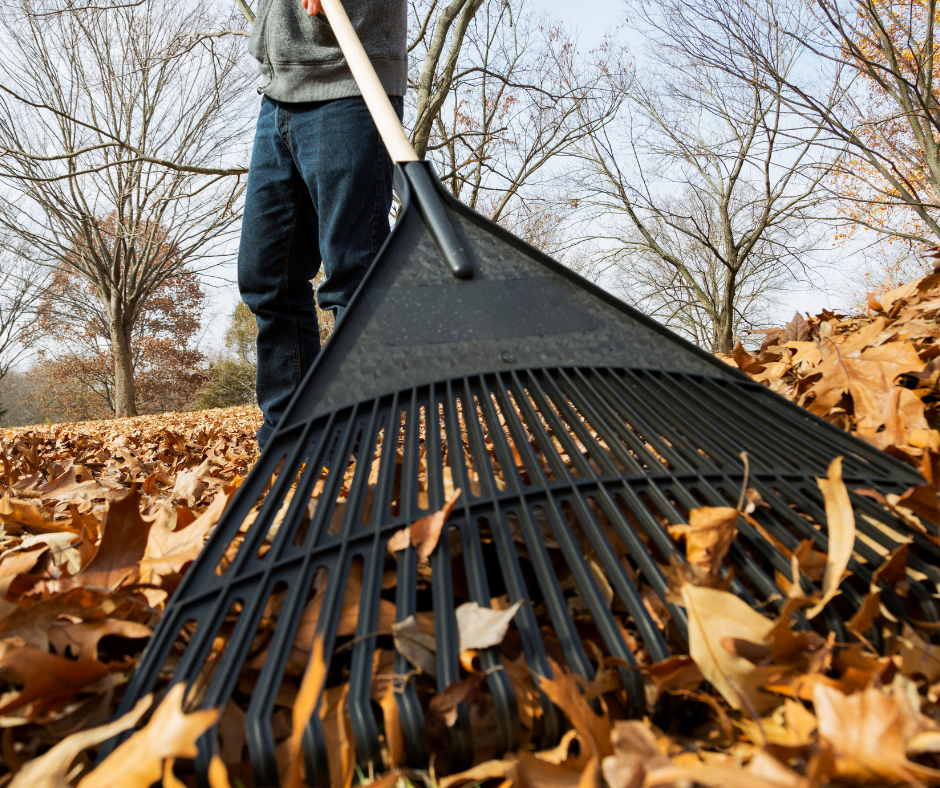
When left to decompose on their own over the winter, large quantities of leaves can cause nutritional issues for living plants that are difficult to resolve in the spring.
Leaf removal can be fall and winter’s most tiresome chore, but it can be a crucial step for homeowners who want to preserve the health of their lawn.
Decaying leaves can lead to a range of landscape issues, from harboring fungal spores and bacteria that can cause disease to providing shelter for unwanted pests and insects. And grass needs all the sunlight it can get to store up critical energy for surviving low temperatures and winter’s often drought-like conditions.
What’s more, large quantities of leaves left to decompose on their own can create nutritional imbalances in the soil that can be difficult to remedy later. Homeowners in neighborhoods like Brookside or Mission Hills, with properties featuring large, mature trees, may want to invest in professional leaf removal. This not only saves hours of backbreaking raking and bagging, but it also protects the turf’s health.
2. Pruning
Unless there are broken, cracked, or structurally weak branches, tree, shrub, and woody plant pruning typically is best in early spring and late fall. Weak branches should be removed by late fall, preventing them from breaking under the weight of ice and snow.
Plants that have been damaged by snow or ice are more vulnerable to disease, as it spreads faster during winter dormancy. The benefits of early winter pruning include plants being more likely to survive seasonal damage—or avoid it altogether—and a winter landscape with a tidier, cared-for appearance.
3. Watering
Turf and landscape plantings don’t require much watering, if at all, during the winter, as growth slows during that season. In fact, overly saturated landscapes combined with low temperatures can lead to frozen soil that may lead to significant root system damage.
Before the first freeze, larger plantings, such as trees and shrubs, should receive a final, slow watering that penetrates the soil deeply. This is especially good for evergreens, which lose moisture through their leaves during the winter. Newly planted trees and shrubs (that lack strong root systems) may need occasional winter watering when temperatures are over 40° for at least six hours. If in doubt, contact the horticulture experts at Heinen for advice on winter care for shrubs and trees planted in the previous year.
4. Mulching and Wrapping
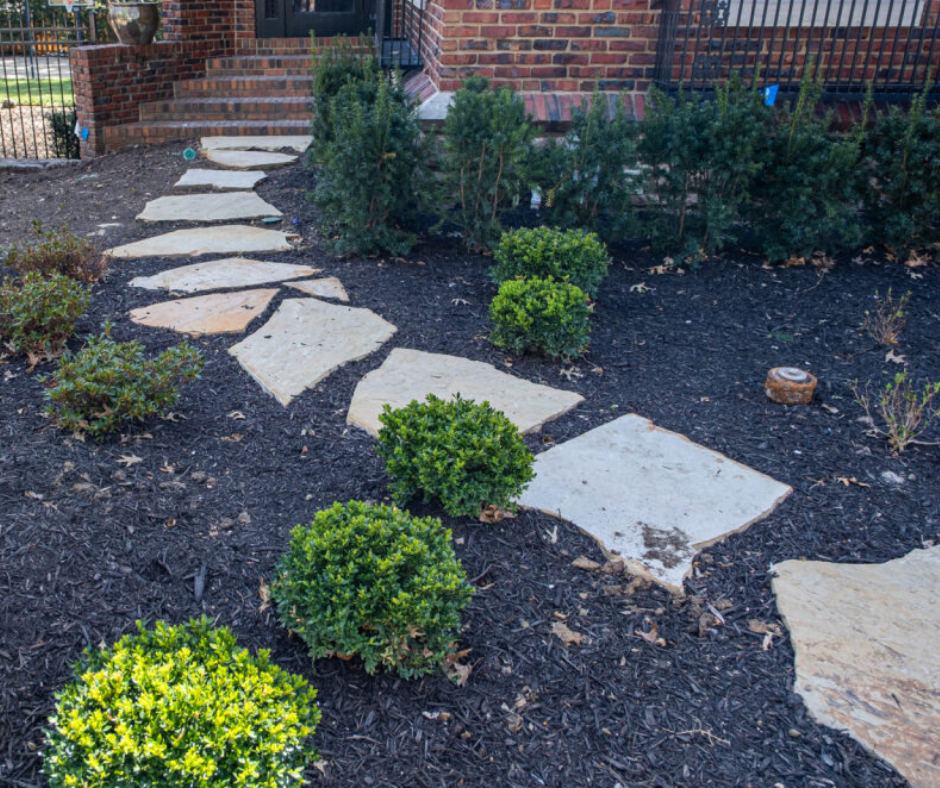
Proper mulching helps avoid repeated soil freezing and thawing, protecting root systems and maintaining healthy moisture levels.
Mulching is your landscape’s best friend, especially during the colder months. Mulch works as a protective layer, blanketing the soil and helping maintain consistent temperature levels.
The goal is to prevent soil in landscape beds from freezing and thawing repeatedly throughout winter. That cycle causes the ground to lose moisture much faster and prompts heaving, which pushes plants out of the ground and exposes their roots to cold air and drying winds.
Other benefits of mulching include keeping landscape beds clean and weed-free, and, as mulch breaks down, it provides landscape beds with essential nutrients that speed growth. As a general rule of thumb, the recommended depth of mulch is typically 2–3 inches.
New trees or shrubs should be wrapped at the base with burlap during the winter in the first year after planting, as their root systems are not fully established. Wrapping helps prevent moisture loss, wind burn, and sun scald. Other plants that benefit from wrapping are thin-barked trees, such as fruit trees and Japanese maples.
Other Winter Landscape Tips
In addition to these top winter maintenance steps, some other considerations to keep in mind are:
- Avoid heavy foot traffic on wet or frozen soil to maintain soil structure.
- Do not pile snow with road or driveway salt on landscaped areas or turf.
- Wrap plantings along streets or driveways that may get salt spray on them.
- Plan for melting snow drainage. Make sure downspouts are clear and directed away from foundations and landscape beds.
 When in Doubt, Contact the Outdoor Pros at Heinen!
Winter can be tough on landscapes. Call the landscape specialists at Heinen for help maintaining healthy winter landscapes. The Heinen team can help with a winter maintenance plan that protects landscapes and turf all winter, minimizing seasonal damage and promoting robust growth in the spring.