Summer’s heat and inconsistent rainfall make it challenging to keep lawns lush and healthy. By fall, summer has taken its toll, leaving many lawns with patchy brown grass and dry, compacted soil. But there is a solution – and Heinen can help!
Fortunately, fall is the best time to prepare turf for stronger, healthier growth in the spring. Cooler temperatures are a signal to your lawn that winter is approaching, and with that signal, grass naturally shifts focus from above-ground growth to strengthening root systems and storing energy for winter. That’s why lawn treatment in the fall has such a dynamic impact on how a lawn survives the winter and how well it greens up in the springtime.
Here are a few tips for Kansas City homeowners about preparing lawns for winter and better growth in the spring.
What treatments do lawns benefit from the most in fall?
The most important fall lawn care tasks include:
- Aeration
- Dethatching
- Overseeding
- Applying fertilizer
- Adjusting irrigation schedules
- Removing leaves and debris
- Preparing landscape beds
- Pruning trees and shrubs
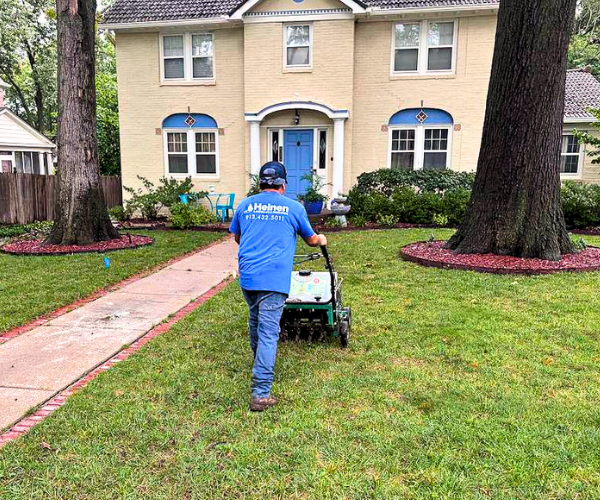
Fall is the time to repair turf damage, prepare lawns for the cold – and help ensure healthy growth in the spring.
Each of these lawn treatments is highly beneficial in the fall because the combination of cooler air temperatures and warm soil creates a less stressful environment for grass – and the season offers the most favorable conditions for optimal root growth. For the best results, homeowners should consult with professional lawn specialists to create an action plan aimed at the specific conditions of their individual lawn.
What is aeration?
Summer’s heat and unpredictable rainfall patterns result in hard, compacted soil, which makes it difficult for the necessary air, water, and nutrients to reach grass root systems. If not corrected, the lawn will essentially starve, and turf becomes thin, weak, and patchy.
Aeration is the process of creating thousands of small holes throughout the lawn. This loosens up compacted soil and allows the turf to better absorb the nourishment it craves. After aerating the lawn, root systems have room to strengthen and take full advantage of those last few crucial watering sessions before the ground freezes.
What is dethatching?
Dethatching is an especially effective fall lawn treatment for turf that is being starved of water and nutrients because of matted grass clippings and other organic material. To dethatch is to remove the dead grass, roots, and other dead plant material (collectively known as thatch) that builds up over time between the grass and the soil. Some thatch is beneficial to the lawn, as it helps insulate the soil for better moisture retention. Too much thatch, though, can work against lawn health.
When a lawn is suffering from excessive thatch, water, air, and other lawn treatments are unable to fully absorb into the soil and reach grass roots. Heavy thatch can also hold onto moisture for too long, creating conditions that allow pests or disease to thrive. The result is a worn and raggedy lawn, despite regular watering and fertilizing.
To dethatch a lawn, turf professionals use a specialized machine that carefully cuts through the thatch without damaging grass. Removing thatch allows the lawn to begin recovering from a season of summer damage. Paired with other treatments, like aeration, overseeding, and fertilizing, your lawn is better able to build stronger root systems before winter.
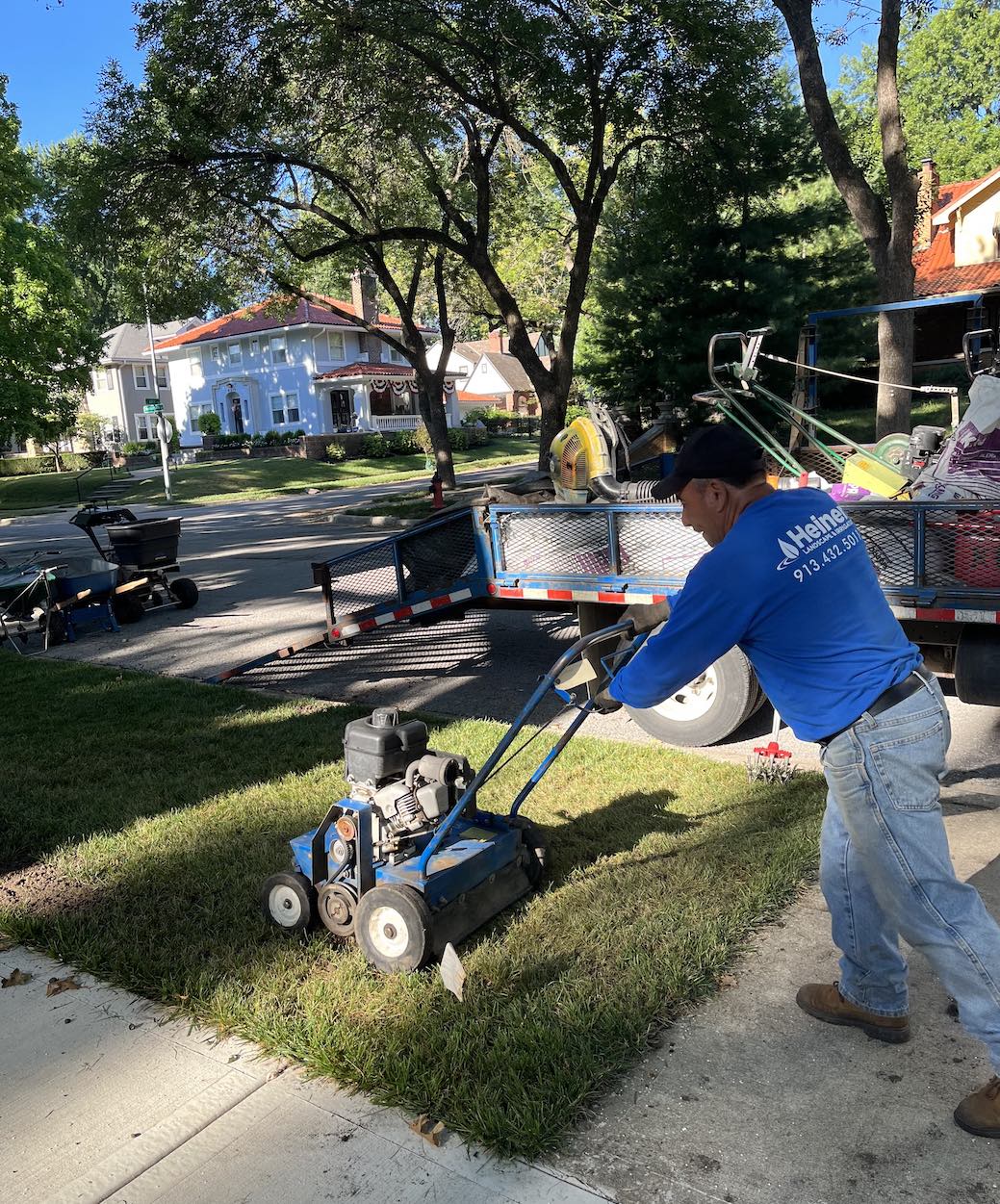
Dethatching must be done with care so as not to overly thin out grass and cause more damage.
Should lawns be overseeded in the fall?
One of the best things you can do in the fall to help your lawn grow thick and healthy in the spring is to overseed.
An aerated and dethatched lawn is in prime condition for overseeding. The cooler temperatures of fall, the still warm soil from summer, and more consistent rainfall come together to create the perfect environment for new grass to take root. The new grass has time in the fall to build up strong roots to survive winter, and when spring arrives, so will a thicker, fuller lawn.
Should you fertilize the lawn in the fall?
Fall is an ideal time to fertilize the lawn, especially if you have a cool-season variety. Applying the right fertilizer in the fall is key, as it gives grass the time it needs to recover from summer damage and further strengthen its roots to prepare for healthy growth in the spring.
Fall fertilizer applications help:
- Strengthen grass roots
- Replenish necessary nutrients
- Heal heat and drought stress
- Improve lawn density and color
- Build up energy stores
- Prepare lawn for healthy spring growth
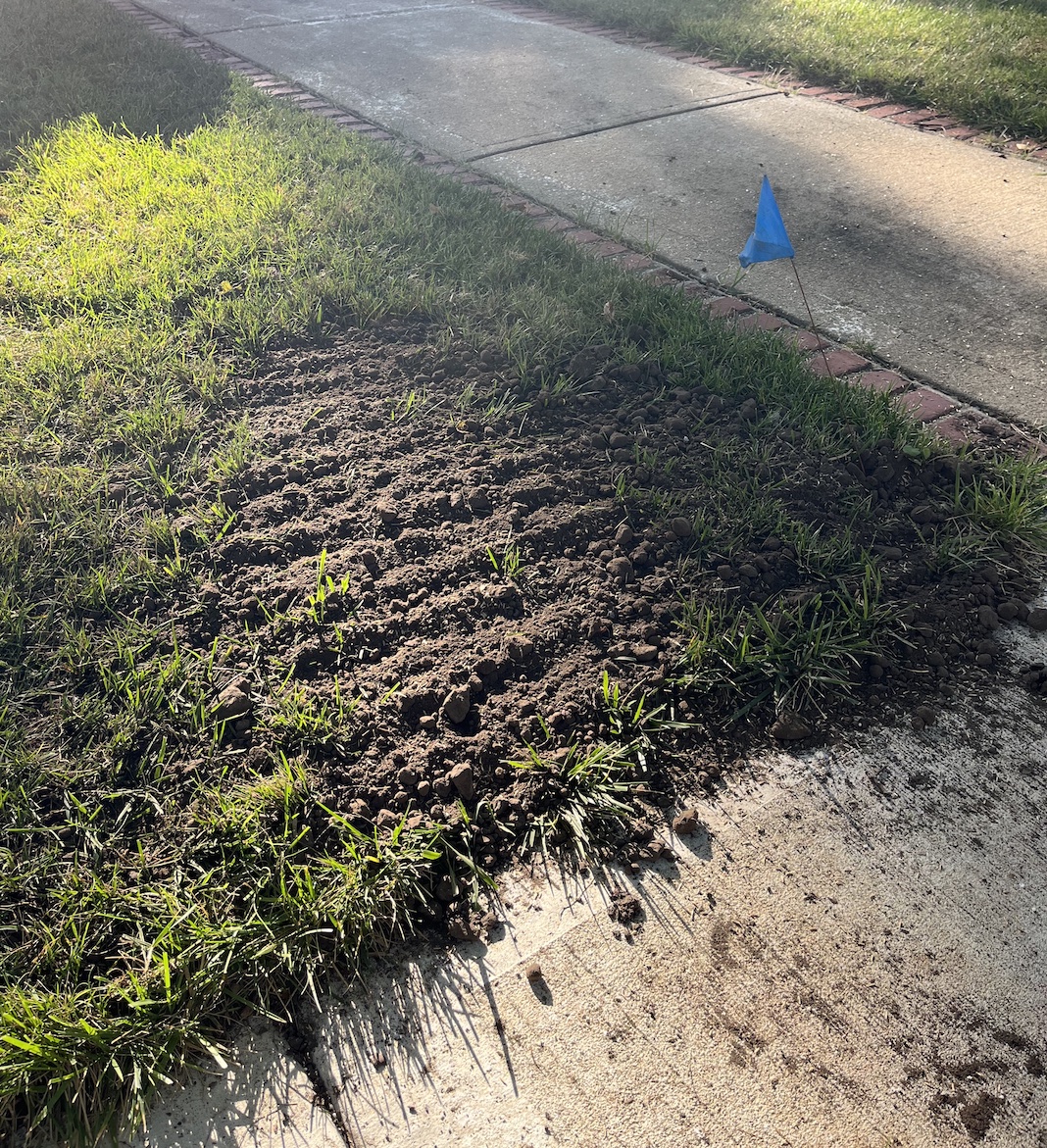
Overseeding bare spots in the lawn gives grass the best chance to be green and thick when spring arrives.
Keep in mind each lawn has its own specific conditions and needs. The best lawn treatment for your lawn is based on the condition of your lawn and can best be determined by a turf professional. The lawn specialists at Heinen will evaluate your lawn for any signs of nutrient deficiencies, observe weed problems, inspect for disease, insects, soil imbalances, and note any other concerning lawn issues. After reviewing the overall condition of the lawn, they will recommend the best treatment or treatments to resolve any lawn problems and then get to work on a plan aimed at healthier, stronger turf growth.
Set Your Lawn Up for Spring Success This Fall!
Heinen’s fall schedule is filling up fast. The turf pros at Heinen know how to give your fall lawn exactly what it needs to recover from the stress of summer, prepare for winter, and build a strong foundation for healthy spring growth. Schedule your fall lawn care visit and give your lawn a head start on its best spring yet!
Call Debbie at Heinen today at (913) 432-5011 to schedule fall lawn services.