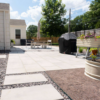
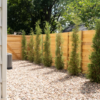
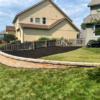
Good fences may make good neighbors – but there are also many options for great natural fences that may be an even better aesthetic solution!
Fences can help block noise, visually “frame” an outdoor space, and allow homeowners to enjoy their backyards and other property areas without feeling overly exposed to neighbors and others passing by. When considering a privacy barrier, the first thought is often a traditional fence – which, for certain, does a great job of containing pets and small children. That said, standard wooden or metal fencing can detract from a property’s appearance if it’s installed without considering the aesthetics of the surrounding environment. A better solution may be a well-designed landscape plan that incorporates natural privacy elements along with manufactured solutions. This combination can be an excellent way to transform mundane outdoor spaces into polished personal retreats.
What are the best privacy solutions for a backyard?
There are numerous ways homeowners can create privacy within their backyard spaces, including fencing, landscaping, or a combination of the two.
To determine the best privacy solution, there are several factors to consider:
- Yard size and slope
- Budget
- Level of maintenance required
- HOA rules
- Level of privacy desired
- Existing landscaping
With both your privacy goals and your home’s outdoor space characteristics in mind, a landscape plan can be developed that enhances both privacy and aesthetic appeal. Finding the right balance for your space, especially if the objective is to emphasize natural privacy over manufactured options, can be a challenge – but the outdoor living pros at Heinen are here to help!
Is a traditional fence the best option for creating privacy in your backyard?
While manufactured fencing can be effective at blocking the neighbors’ view, it’s not always the best fit for improving an outdoor living space.
One issue with solid wood or vinyl fencing is that they can make outdoor spaces feel stark, as they often create a “boxed-in” feel that contrasts with the natural elements within the fenced zone. Instead of blending in with the landscape, solid fences can stand out as visually harsh and jarring.

Heinen Tip: When planting evergreen trees and shrubs, ensure that the root ball is buried deep enough within the soil. If buried too shallow (often disguised with soil piled over the base), rainwater eventually erodes the heaped mound, exposing the plant’s roots – which then allows the sun to take a dehydrating toll, often leading to the death of the plant.
How to hide fence lines? Consider adding landscaping.
If an existing fence itself has become the primary visual focus of a yard, add plants along the bordering areas of the fence. Plants with varied heights, textures, and colors tend to enhance the natural beauty of the space and can improve the view significantly.
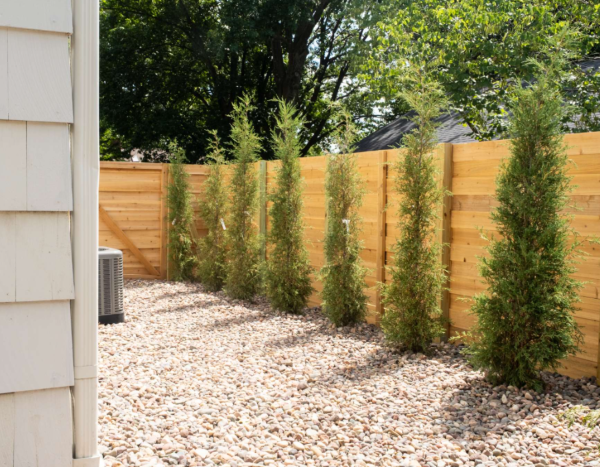
It’s not unusual for homeowners to deal with mismatched fencing along one or more sides of their yard (for example, when a neighbor’s existing side fence is made of different materials than your own back of the property fence), detracting from the overall appearance of your space. Whether it’s your fence or the neighbor’s that is the distracting culprit, strategically placed tall plantings can partially – or even completely – block the discordant fencing and enhance the outdoor area’s aesthetics. Some plants to consider:
- Evergreen Trees – These are one of the most effective natural solutions for privacy because their dense foliage creates a thick screen that stays lush and green all year long. Evergreens are also exceptional for blocking sound coming from nearby street traffic – or even a noisy neighbor.
- Tall Shrubs – If lack of space is a factor, tall shrubs are an alternative to larger evergreen trees. The leafy texture of different varieties of shrubs softens the appearance of solid fencing and, depending on the type of shrub, provides changing seasonal color; some even present vibrant blooms during one season or another. Like evergreen trees, the dense foliage of shrubs is also very effective at blocking or muffling noise.
- Climbing Vines – Vines and ivies require even less space and can be “trained” to grow and climb up wood or metal fences. Vines can be used intermittently or cover the entire fence, integrating the manmade barrier into the natural outdoor space.
- Ornamental Grasses – Ornamental grasses feel light and breezy, adding gentle movement as the wind blows. Their soft, feathery texture plays well against the harsh straight lines of some fences.
Can landscaping alone create backyard privacy?
Thoughtfully designed landscapes can provide excellent privacy without including any manufactured elements at all.
The key is variety. Using different plantings, such as evergreen trees, dense hedges, shrubs, and flowers, creates a layered “screen” effect that blocks the view from outside the space. By mixing different plant types of varying heights, textures, and bloom seasons, outdoor spaces remain private and naturally dynamic year-round.
For help planning a landscape design to enhance the privacy of your outdoor living spaces, check out Heinen’s handy Online Plant Catalog! This free tool features nearly 200 plantings hand-selected by Heinen’s landscape experts for their ability to thrive in Kansas City’s climate.